
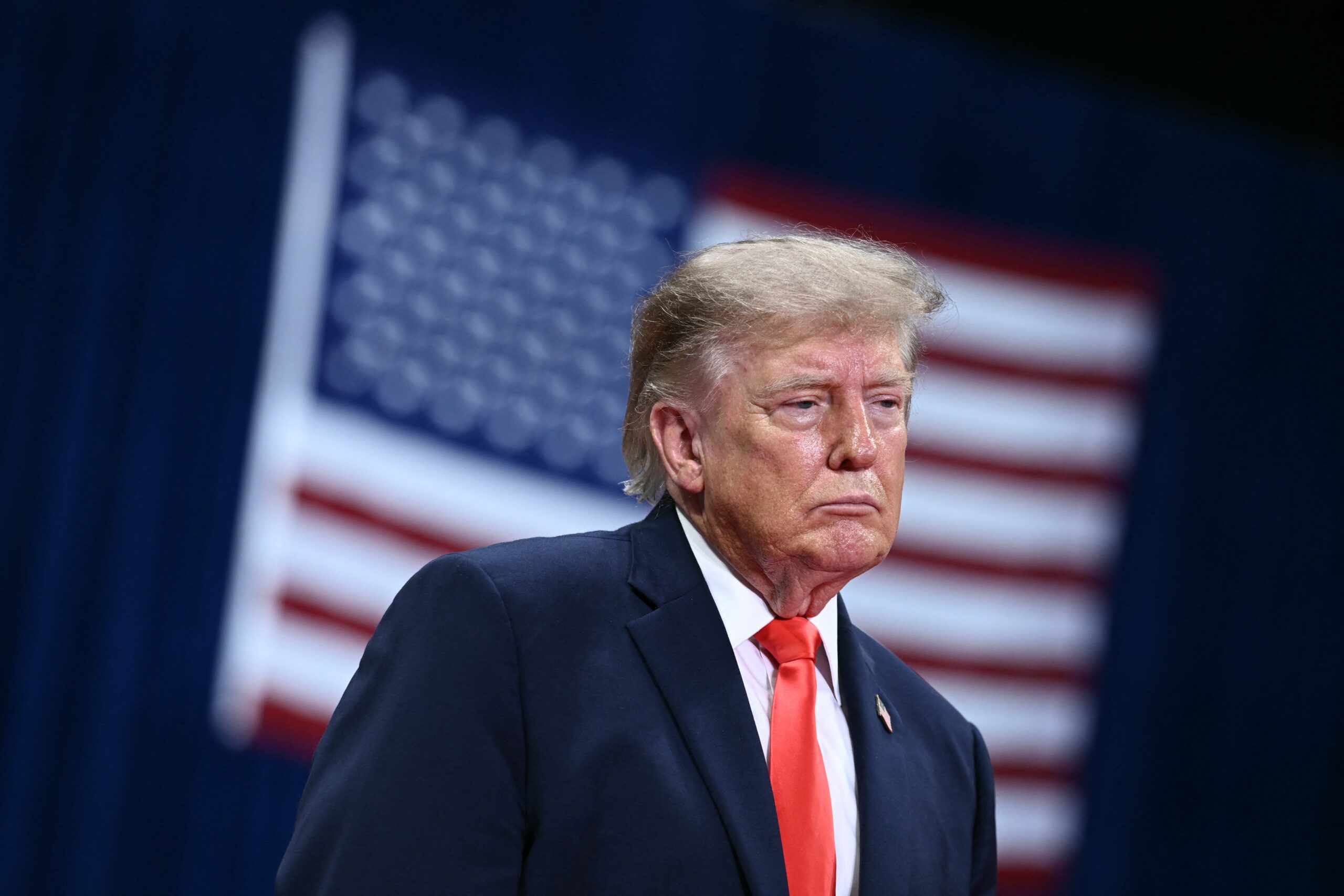
President Donald Trump’s proposed billion-dollar cuts to federal health programs now face an uphill battle as Democrats take control of Congress.
Earlier this year, President Trump proposed a sweeping overhaul of federal health spending. The preside sought billions in cuts to health agencies that support medical research, healthcare quality and public programs. The budget called for a 12.5% reduction in funding for the National Institutes of Health (NIH).
The overhaul also sought to cut $129 million from the Agency for Healthcare Research and Quality (AHRQ). The AHRQ funds research on health care quality, patient safety and how providers deliver care across the U.S. health system.
The proposed budget also called for the elimination of the National Institute on Minority Health and Health Disparities (NIMHD). This group supports research into health disparities and the unmet health needs of underserved populations. In the proposal, the White House described NIMHD as “replete with DEI expenditures.” The administration cited that characterization in its rationale for eliminating the institute.
The November midterms have reshaped the political landscape surrounding the proposed cuts, renewing the debate over restoring funding for federal programs the administration targeted in its 2026 budget.
What the Midterm Results Mean For Health Budget Cuts
Many clinicians have been following the rapidly shifting healthcare policy landscape. The changes this year have affected insurance enrollment, reimbursements, health system funding and federal subsidies for rural health programs.
Now, the landscape will shift once again with Democrats winning control of both the House and Senate. When the new Congress convenes in January, the Democrats’ control of both chambers gives them greater authority to shape budget appropriations, conduct oversight and influence federal spending priorities.
The midterm elections results also strengthens Democrats’ ability to challenge the administration’s proposed budget cuts and push to restore funding for federal programs affected by policies enacted this year. Democratic lawmakers have historically supported federal investment in biomedical research agencies, NIH, CDC, and health system programs that expand access for underserved communities and community hospitals.
Democratic lawmakers have signaled plans to pursue oversight and legislation to reverse healthcare cuts, restore Affordable Care Act premium subsidies and address Medicaid funding reductions. However, while Congress writes and passes the federal budget, Trump retains veto power. Congress would need a two-thirds majority in both chambers to override a presidential veto. It’s a rare move that has succeeded in only about 7% of cases since the nation’s founding.
Rising Costs Fuel Calls For Greater Federal Support
The proposed cuts drew criticism from medical, research and patient advocacy organizations.
The Association of American Medical Colleges warned that the budget would weaken federal support for medical research, public health and health professions education. The National Health Council, which represents patient organizations and other health-related groups, said the reductions could put access to care at risk for people with chronic conditions and disabilities. In addition, a coalition of 95 medical organizations and patient advocacy groups explained that NIH cuts could halt promising research and force layoffs.
Other healthcare policy changes this year also affected patients, clinicians and health systems. In February, health insurance enrollment fell to 19.2 million, down from 21.8 million a year earlier, according to KFF. Healthcare affordability and access became a prominent issue in the midterm elections.
Six in 10 voters said they wanted the federal government to play a larger role in providing healthcare. A KFF analysis found that 55% of midterm voters said the Trump administration’s policies had made their own healthcare costs worse, while 56% said those policies had made it harder for Americans to get the care they need. Voters who said the administration’s policies had worsened their healthcare costs were also more likely to support Democratic House candidates. This included 72% of independents in that group.
How Clinicians Can Prepare For Upcoming Changes
Proposed cuts and campaign promises may or may not be reflected in the finalized fiscal year budget. Congressional negotiations may shift priorities and funding allocations.
Still, cuts or increases in federal program funding can have cascading effects on hospitals, health systems and other companies. Clinicians and health systems should identify reliable sources and platforms to stay informed about healthcare policy developments. In the meantime, their immediate priority should be implementing the policy changes already enacted this year.
It should also prepare the company for requirements scheduled to take effect before the next round of federal changes begins in January. Several changes enacted this year by the administration are expected to take effect in the coming months.
Beginning Jan. 1, 2027, certain adults enrolled in Medicaid will have to meet new community engagement requirements. This includes 80 hours per month of qualifying work, education or community service, unless they qualify for an exemption. States are responsible for implementing the requirements, and their processes may differ.
Although clinicians do not face a direct regulatory penalty for failing to track state-level Medicaid work requirements, patients may face significant consequences. Those who do not meet the requirements or qualify for an exemption could lose Medicaid coverage. This could potentially disrupt access to treatment and medications.
For clinics and health systems, coverage losses could also mean more patients unable to pay for care. That could lead to an increase in uncompensated care. Clinicians should monitor their state Medicaid agency’s guidance and understand how eligibility changes could affect the patients they serve.

