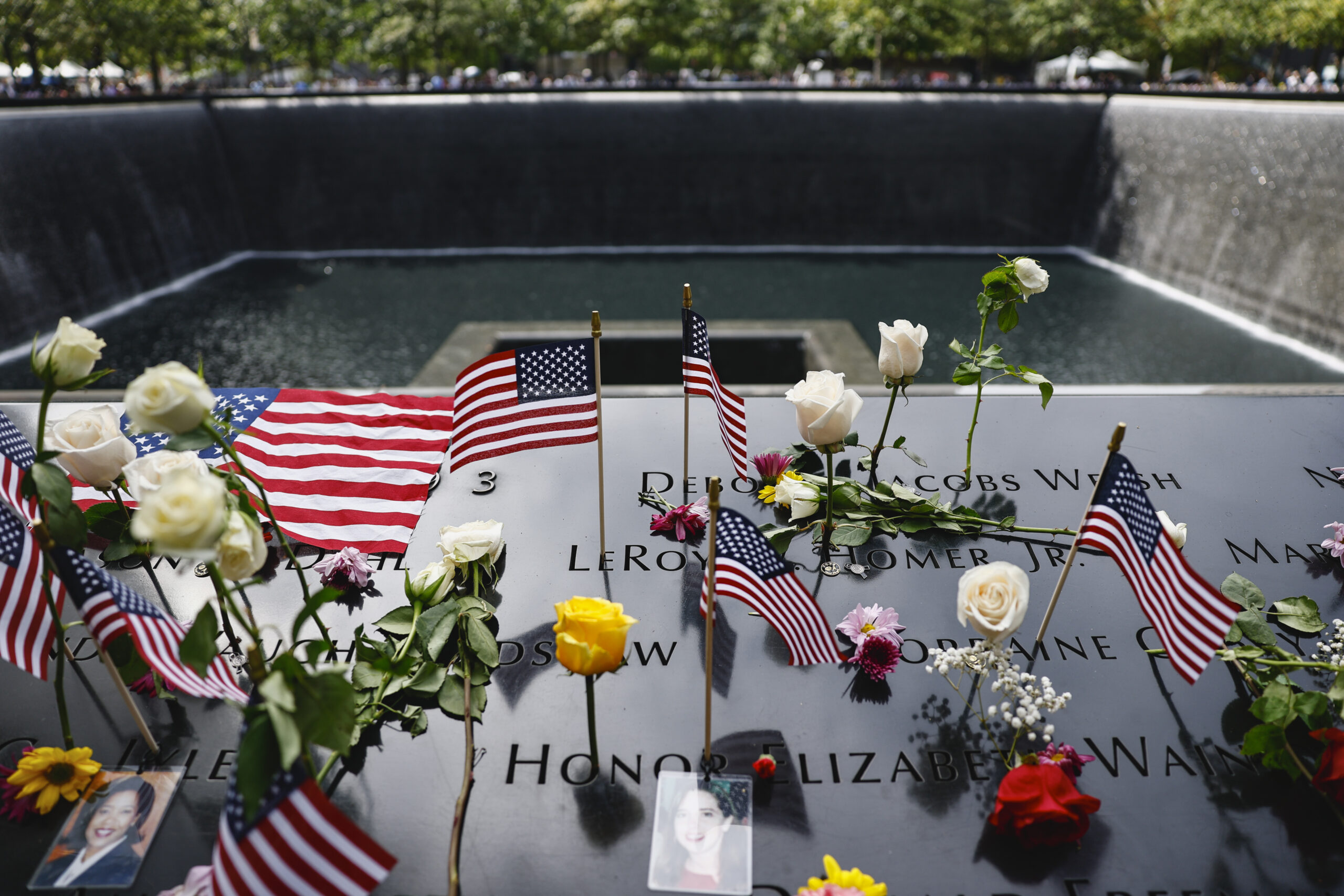
New York City officials released more than 170,000 pages of previously unavailable records about the aftermath of 9/11 on the 25th anniversary of the attacks.
“For too long, information about the aftermath of September 11th has not been provided to the public. For years, families, city workers, and survivors have been crying out for more transparency from their government,” wrote 83rd Corporation Counsel Steven Banks in a message to the public. “That is why the Mamdani administration has made a significant investment to give the public access to information and documents related to City government’s response to the September 11th attacks.”
These records include documented concerns about asbestos and other carcinogenic materials. New York City Mayor Zohran Mamdani explained on Tuesday, Sept. 8 that the documents show “what the city knew about the toxic air around Ground Zero, when they knew it and how they acted to limit liability.”
The release follows new health data proving doctors are still diagnosing illnesses related to 9/11 nearly three decades later. The 9/11 health records put that data into context by providing a clearer picture of the longterm respiratory, cardiovascular and cancer risks related to exposure to Ground Zero and nearby sites.
Breaking Down Health Effects From 9/11
Cancer is one of the main long-term health effects linked to 9/11 exposure. Northwell Health, one of the seven federally funded New York Metro organizations treating responders and survivors, recorded a 75% increase in newly certified 9/11-related cancer cases.
The program reported a rise in cases from the 177 in 2023 to 235 in 2025. With the 132 new cases reported from the first half of 2026, the total rose to 811 in 42 months. The report identifies skin and prostate cancers as the most common among survivors, followed by breast and urinary tract cancers.
Findings from the Fire Department of New York also show the longterm health toll. In total, 10,562 FDNY members received diagnoses for at least one 9/11-related physical condition, including 4,257 who received cancer certification. Many of these members encountered dust, gases, chemicals and other contaminants during the rescue and recovery effort.
Cancer’s long latency is a primary reason new cases continue to surface years after exposure. Some malignancies can take decades to manifest after exposure to carcinogens. This timing is why the World Trade Center Health Program establishes minimum latency thresholds for cancer certification, before formally recognizing a member’s condition as associated with 9/11-related exposure.
The Impact Extends Beyond The Known Survivors
The long-term health effects of 9/11 extend far beyond first responders and immediate survivors. Non-responder exposure also continued beyond September 11. People in the area were exposed to dust and other contaminants in the days and months that followed. This included fumes from pulverized concrete, glass fibers, lead, asbestos and other chemicals that settled in homes, schools and buildings.
Public health research has documented exposures among people who lived and worked near Ground Zero.
Effects On Youths
While many children faced exposure, researchers are still discovering how they are being impacted health-wise later in life. The information gap is now becoming a major focus of federal research.
Congress directed the World Trade Center Health Program to establish a Youth Research Cohort for people who were 21 or younger at the time of their exposure, including those whose mothers were pregnant with them. There’s also federally funded research programs examining the long-term health effects for this age group.
A study on the WTC Environmental Health Center on 9/11 identified 278 cancer diagnoses across 23 cancer types for those under age 30. The findings included many types of cancers that are considered rare for that age group.
A Columbia University’s Center for Children’s Environmental Health study found associations between exposure to pollutants with reduced fetal growth. Other longitudinal research linked prenatal exposure to environmental pollutants with poorer neurodevelopment, respiratory problems, asthma and behavioral and cognitive effects in childhood.
Clinician’s Role In Connecting Patients To 9/11 Care
The 25-year health legacy of 9/11 still shows up in the exam room. The Centers for Disease Control and Prevention and New York City health officials advise clinicians to ask patients about their 9/11 exposure history. With certain respiratory symptoms, chronic rhinosinusitis, gastrointestinal conditions, cancer or specific mental health conditions, patients could still be dealing with the effects from the exposure.
By asking about 9/11 exposure and understanding the longlasting impacts, clinicians can help identify high-risk patients. That identification could change how they treat the diagnosis moving forward.
The Newly Released Records Is Just the Beginning
Mayor Mamdani promised that his office will release more of these documents as part of his commitment to governmental transparency.
“The 170,000 pages posted today are only the first release,” he said. “This is only the beginning. Over the coming months, we will continue to release updates to the portal.”
As new records become available, they will offer further insight into the health risks of 9/11 and how those risks continue to affect New Yorkers 25 years later.

